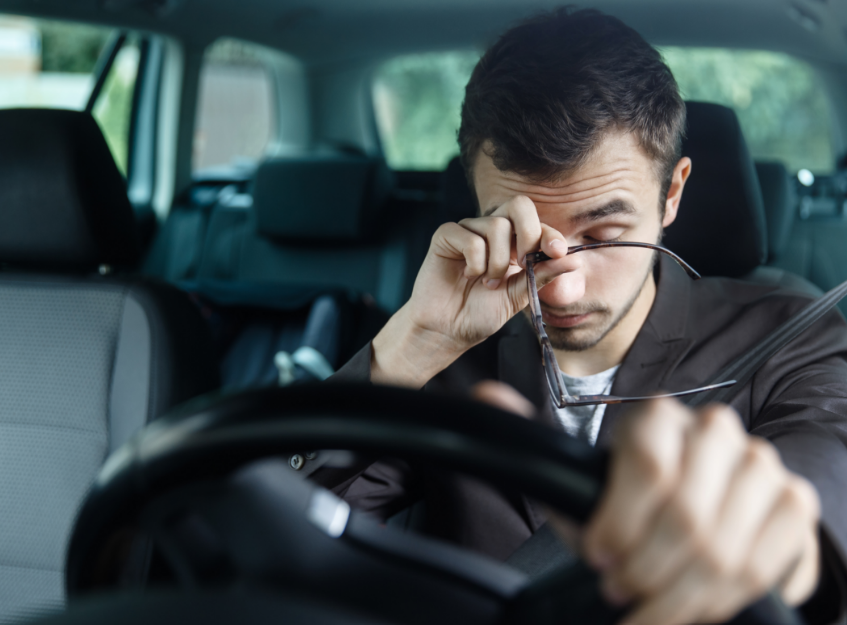
Most people think of distracted or impaired driving as the biggest threats on the road, but drowsy driving is just as dangerous — and often overlooked. When you’re sleep-deprived or struggling with untreated sleep apnea, your ability to focus, react, and make quick decisions is significantly impaired. What may feel like “just being tired” can quickly turn into a life-threatening situation for you, your passengers, and others on the road.
Understanding the connection between sleep apnea and drowsy driving is the first step toward protecting yourself and your community.
Why Drowsy Driving Is So Dangerous
Driving while drowsy affects the brain in ways similar to alcohol impairment. Slowed reaction times, reduced awareness, and poor judgment make it harder to respond to sudden changes in traffic or road conditions.
Microsleeps — brief, involuntary lapses in consciousness lasting a few seconds — are especially dangerous. At highway speeds, even a three-second lapse can mean traveling the length of a football field without awareness. This can lead to drifting between lanes, missed signals, delayed braking, or rear-end collisions.
Unlike other forms of impairment, drowsiness can sneak up on you. Many drivers don’t realize how fatigued they are until they struggle to keep their eyes open or miss their exit.
The Link Between Sleep Apnea and Driver Fatigue
Sleep apnea is a condition in which breathing repeatedly stops and starts during sleep. These interruptions prevent the body from reaching deep, restorative stages of rest, leaving individuals feeling unrefreshed even after a full night in bed.
Because sleep apnea disrupts sleep cycles, it often leads to excessive daytime sleepiness — one of the primary contributors to drowsy driving. People with untreated sleep apnea may experience fatigue during routine activities, including commuting, running errands, or long-distance travel.
The risk is particularly high during early morning hours, late afternoons, and long stretches of monotonous driving, when the body’s natural alertness dips.
Common Symptoms of Sleep Apnea
Recognizing the signs of sleep apnea can help you seek treatment before fatigue affects your safety. Symptoms may include:
- Loud, chronic snoring
- Gasping or choking during sleep
- Morning headaches
- Difficulty concentrating
- Irritability or mood changes
- Waking with a dry mouth or sore throat
- Excessive daytime sleepiness
If these symptoms sound familiar, it may be time to consult a healthcare provider for an evaluation.
Warning Signs You’re Too Tired to Drive
It’s important to recognize when you shouldn’t be behind the wheel. Warning signs of dangerous drowsiness include:
- Frequent yawning or blinking
- Difficulty keeping your eyes open
- Drifting from your lane
- Missing road signs or exits
- Trouble remembering the last few miles driven
If you notice any of these signs, pull over safely and rest. Continuing to drive while drowsy puts everyone at risk.
How Treatment Can Help You Stay Safe
The good news is that treating sleep apnea can significantly improve sleep quality and daytime alertness. Dental and medical professionals can work together to diagnose sleep apnea and recommend solutions tailored to your needs.
Treatment options may include oral appliance therapy to keep the airway open during sleep, lifestyle adjustments, or collaboration with sleep specialists for comprehensive care. By addressing the root cause of fatigue, patients often experience improved focus, energy, and overall safety behind the wheel.
Prioritizing sleep health isn’t just about feeling better — it’s about protecting your life and the lives of others on the road. A well-rested driver is a safer driver for everyone!
About the Practice
GoTo Sleep Center Mesa provides patient-focused care for individuals experiencing sleep-disordered breathing, including sleep apnea. Our advanced slumber team offers personalized evaluations and treatment options such as custom oral appliance therapy designed to improve airflow and sleep quality. We are committed to helping patients achieve better rest, enhanced daytime alertness, and improved overall health through compassionate, evidence-based care.
Call us at (623) 299-8799 or request an appointment online.

 Physicians
 Take a Sleep Study